
Business & Practice
What to do when only two families book your session
A small first group is not a sign that your class has failed. It can be the beginning of a trusted local community.
You've planned your first baby massage or baby yoga class, shared the details and waited for bookings. Then the day arrives and there are just two families in the room.
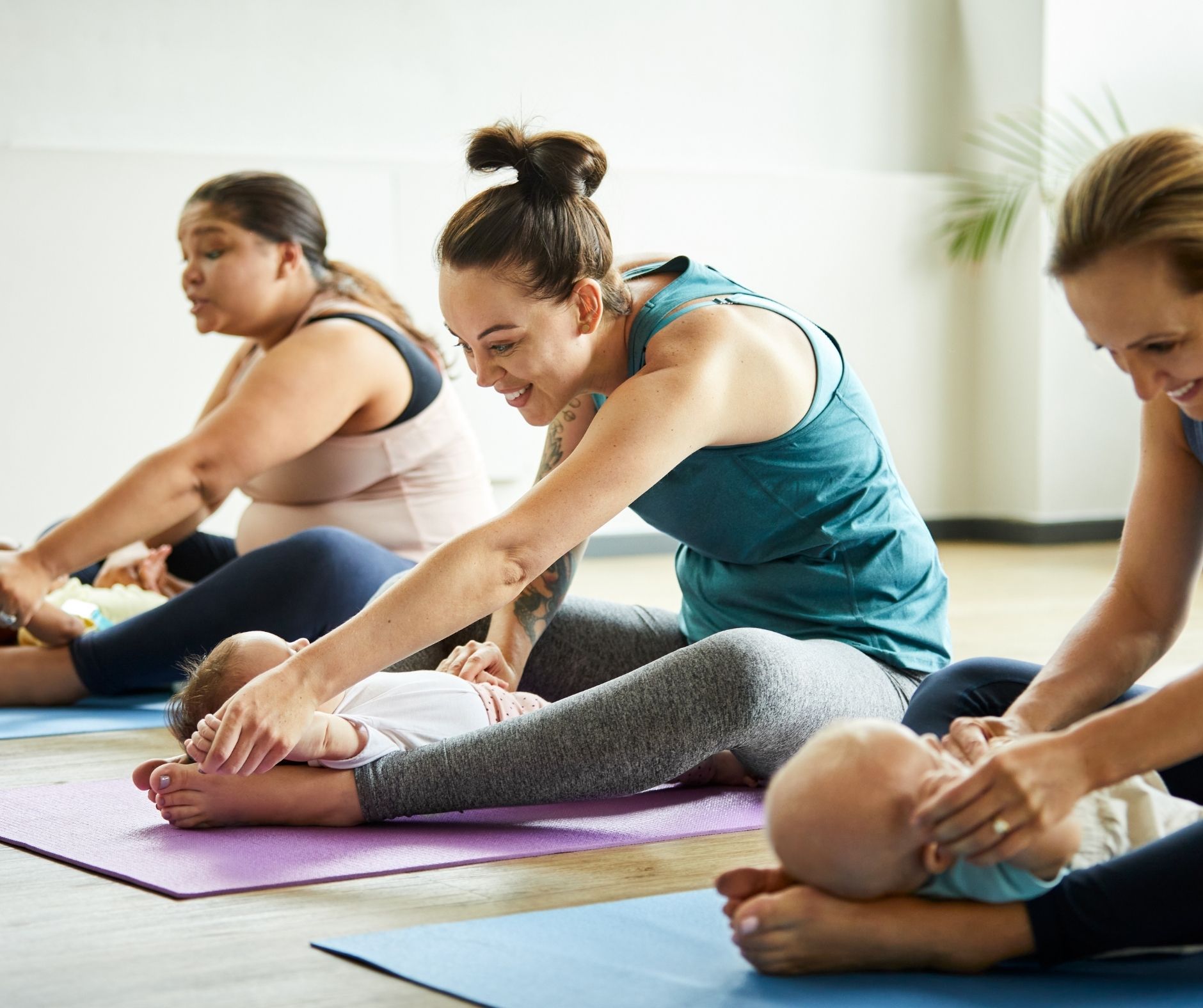
It can feel disappointing, especially when you've put time, care and money into getting started. But two bookings are not proof that your class is unwanted, or that you are not a good instructor. New classes take time to become visible and trusted locally. In the meantime, a small group can be a lovely experience for the families who have booked.
First, look for practical reasons — not personal ones
Bookings can be affected by many things that have little to do with the quality of your teaching. Your session may clash with nap times, school pick-up or another popular local group. The venue may be difficult to find, awkward for buggies or outside the area families usually travel from. Term dates, illness and family plans can affect attendance too.
Visibility matters as well. Established classes benefit from recommendations and repeat customers; a new instructor is still introducing themselves to local families.
Ask a few simple questions
- ✓Is the time realistic for the age group and local routine?
- ✓Can families quickly find the venue, parking details and booking information?
- ✓Does your advert explain who the class is for, what happens and how to book?
- ✓Have you promoted it where local families already spend time?
Make one or two changes at a time, then see what happens. You will learn more from a small, thoughtful adjustment than from changing your time, venue, offer and price all at once.
Run a small group brilliantly
Two families give you room to slow down and make the session feel personal. Learn parents' and babies' names, check how everyone is settling in, and give each family time to ask questions. In a hands-on class, that individual attention can be a genuine benefit.
Keep the same care and structure you would bring to a full class. Welcome each family warmly, explain what to expect and make it easy for them to pause, feed, cuddle or adapt an activity to suit their baby. Let the group know it is a small session today without apologising for it.
“I'm glad you're here. It's a lovely small group today, so we'll have plenty of time to go at your baby's pace and chat as we go.”
That frames the size honestly and positively. Avoid saying, “Nobody else booked,” or promising that next week will be busier. The families in front of you deserve to feel that the session was planned for them.
Give those first families a reason to come back
The best way to build a class is to give people a welcoming, well-run experience, not to pressure them into rebooking. Remember details they have shared, check in during the session and make practical parts easy — from buggy space to what happens when a baby needs a feed or cuddle.
Before the final session, explain what comes next. Be clear about the next block's dates, time, venue and price. If you are still confirming the timetable, say when you will share it and follow through.
“We've got one more session in this block, and the next one starts on [date]. I'll send everyone the details and booking link this week. If you'd like to come back, you'll have the chance to book before I share the spaces more widely.”
Then send the link while the information is fresh. A friendly follow-up is more useful than hoping families will remember to look for you later. Ask for feedback in a low-pressure way: “What's been most useful for you?” or “Is there a day or time that would make it easier to come along?” Look for patterns rather than treating one preference as a verdict on your whole plan.
Build visibility between sessions
You do not need to be everywhere online. Focus on the places and people most likely to connect you with local families.
Make class details easy to share
Use one clear description with the age range, dates, location, price and booking link. Add practical details such as buggy access, parking and what families need to bring.
Be visible locally
Ask your venue about its noticeboard, newsletter or events calendar. Share a useful, friendly post in relevant local parent groups, following their rules.
Contact community partners
Introduce yourself to children's centres, nurseries, libraries and health visitor drop-ins. Offer a short description or flyer they can share if appropriate.
Invite word of mouth
At the end of a positive session, let families know they are welcome to share your details with a friend. Give them a booking link they can easily forward.
A local parent may need to see your class more than once before they enquire. Keep a steady rhythm: one helpful post, one local reminder and a few direct conversations with potential partners each week. Consistency is usually more sustainable than a burst of promotion followed by silence.
Check whether the offer is clear
Look at your class listing as if you were a busy parent seeing it for the first time. Can you tell what happens in the session, who it is for, where it takes place, how much it costs and how to book? Are there recent, relevant photos? Is it clear what happens if someone misses a week?
If people see the information but do not enquire, the offer may need clearer details. If they enquire but do not book, practical questions such as timing, location or cost may need answering. If families attend but do not return, ask for feedback and check whether the next block suits them. Keep a simple note of where enquiries come from and what people ask; even a small amount of information can help you choose your next step.
Grow numbers one week at a time
Set one manageable goal for the next week: contact three local organisations, share the class in one appropriate community group, or follow up with families who asked for details. The following week, repeat what brought a useful response and try one new route.
Resist the urge to discount heavily because the first session was small. A temporary taster can be useful if it has a clear purpose and price, but frequent discounts can make it harder to sustain the class. First check whether families understand the value, dates and practical arrangements.
A gentle reminder
If you are a new instructor, remember that building a local class is part of the work — and it takes time. Two families can be the beginning of a community. Give them a thoughtful session, make it easy to return and tell local families clearly what you offer. Let your numbers grow at a steady pace, guided by what you learn along the way. 🌿
Thinking about training as an instructor?
Our Infant Massage Instructor Training includes practical guidance on teaching and building your own classes with confidence.
Explore Infant Massage Instructor Training